Why Energy Efficiency Matters for Philippine HOAs
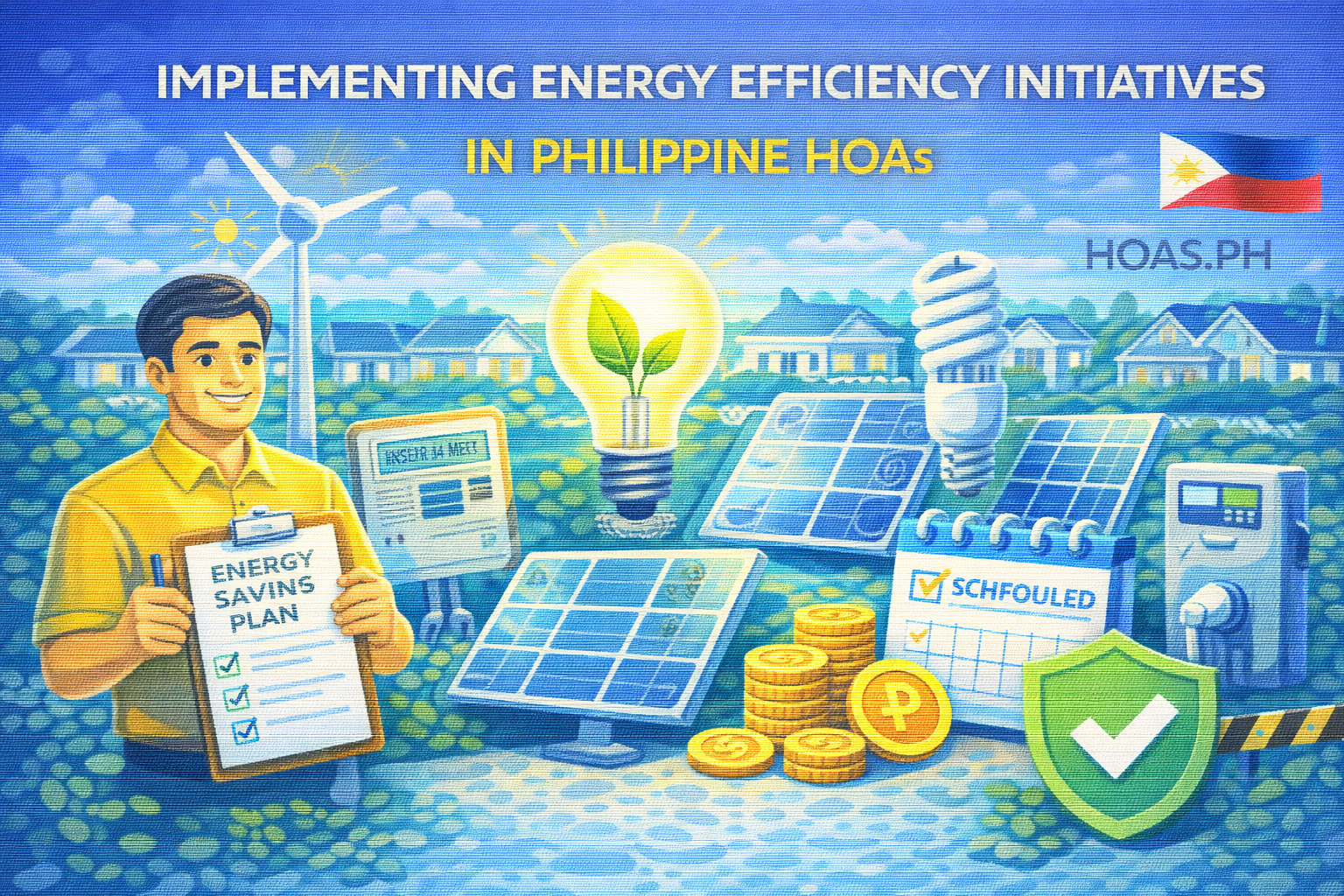
Implementing energy efficiency initiatives in Philippine homeowners associations (HOAs) is crucial for both financial savings and environmental sustainability. With rising energy costs and increasing awareness of climate change, residents are looking for ways to reduce their carbon footprint. By adopting energy-efficient measures, HOAs can not only lower utility bills but also enhance property values and community appeal.
Understanding DHSUD Guidelines on Energy Efficiency
The Department of Human Settlements and Urban Development (DHSUD) emphasizes the importance of sustainable living within communities. According to the guidelines laid out in Republic Act 9904, HOAs have a responsibility to maintain common areas and facilities, which can include implementing energy-saving technologies. By aligning energy initiatives with DHSUD regulations, HOAs can promote a greener lifestyle among homeowners.
Practical Steps for Implementing Energy Efficiency
Conduct an Energy Audit
Start by evaluating the current energy consumption of the community. An energy audit helps identify areas where energy is being wasted. This can involve checking lighting, heating, and cooling systems in common areas.
Upgrade Lighting Systems
Replacing incandescent bulbs with LED lights can significantly reduce energy consumption. For instance, a community in Quezon City reported a 30% reduction in electricity bills after making this switch.
Implement Smart Metering
Installing smart meters can provide homeowners with real-time data on their energy usage. This allows residents to adjust their habits and reduce waste.
Encourage Renewable Energy Sources
HOAs can incentivize the installation of solar panels on individual homes. This not only decreases reliance on grid electricity but also can result in substantial savings over time.
Promote Energy Conservation Awareness
Organizing workshops and informational campaigns can educate homeowners on simple ways to conserve energy, such as unplugging devices and using energy-efficient appliances.
Financial Management and Energy Efficiency
Implementing energy efficiency initiatives often requires initial investments. However, these can be managed effectively through proper financial planning. According to DHSUD guidelines, HOAs should maintain a reserve fund for major improvements. Allocating a portion of this fund towards energy efficiency upgrades can yield long-term savings.
Streamlining with Modern Tools
Adopting a digital approach can simplify the implementation of energy efficiency initiatives. An HOAs Management System offers features like automated billing and financial reporting, which help track the costs and savings associated with energy projects. Moreover, communication tools within such systems can facilitate discussions among homeowners about ongoing energy initiatives, ensuring everyone is informed and engaged.
Engaging the Community in Energy Efficiency
Community involvement is essential for the success of energy efficiency initiatives. Encourage participation through:
- Regular Meetings: Hold discussions on energy projects and gather feedback.
- Incentive Programs: Offer rewards for residents who adopt energy-saving practices.
- Collaborative Projects: Work together on community-wide upgrades, like solar installations.
Monitoring and Reporting Progress
Once energy efficiency measures are in place, it’s vital to monitor their effectiveness. Regular reporting on energy usage and savings can help maintain momentum and encourage ongoing participation. This aligns with the transparency requirements outlined in RA 9904 for HOA financial management.
Conclusion
Implementing energy efficiency initiatives in Philippine HOAs not only fosters a sustainable environment but also contributes to financial savings for residents. By following DHSUD guidelines and engaging the community, HOAs can create a culture of conservation that benefits everyone. Consider utilizing an HOAs Management System to streamline processes and enhance communication about these initiatives. Start your free 14-day trial today to explore how technology can support your community's energy goals.